Call to book a Lie Detector Test today
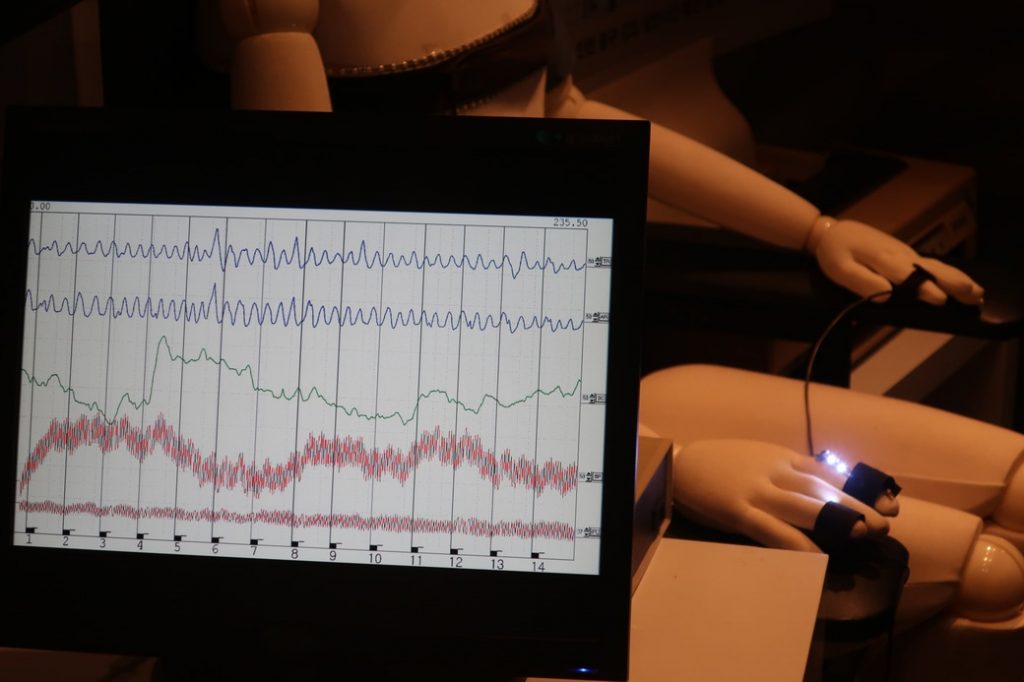
A polygraph, popularly referred to as a lie detector, measures and records several physiological indices such as blood pressure, pulse, respiration, and skin conductivity. These are measured whilst an individual is asked and answers a series of questions.
The word polygraph is the latin word for, “Many Writings.” A modern day polygraph instrument evaluates multiple physiological responses, thus, “Poly,” as in “Many”. writings, graph.
Current polygraph research indicates that when a specific, single issue lie detector test is conducted by a qualified, trained, and experienced polygraph examiner, the accuracy rate is between 95% and 98%. This percentage is still higher than other forms of evidence; including psychiatric opinions, suspect identification as provided by victims and witnesses, and fingerprint identification.
The polygraph is the most accurate tool available today for determining truth or deception. The accuracy of the multi-issue exam, can drop in accuracy due to a number of psychological factors. These statistics do not include “inconclusive” test results in which no opinion of truth of deception can be made from the physiological data collected on the polygraph charts.
Prior to the Lie Detector test, you will be asked to sign an authorisation to release the interview and lie detector test results. The individual or individuals who take the test results are the only people that the test will be disclosed to. As a general rule, lie detector test results are confidential. Exceptions to confidentiality occur when the examiner is a “mandatory reporter” involving child, sexual or physical abuse and when the test is not conducted for a solicitor. Regulatory bodies may have access to polygraph tests and test information but are prohibited from disclosing confidential information.
Powered by WhatsApp Chat